Agrivoltaics & Energy Integration
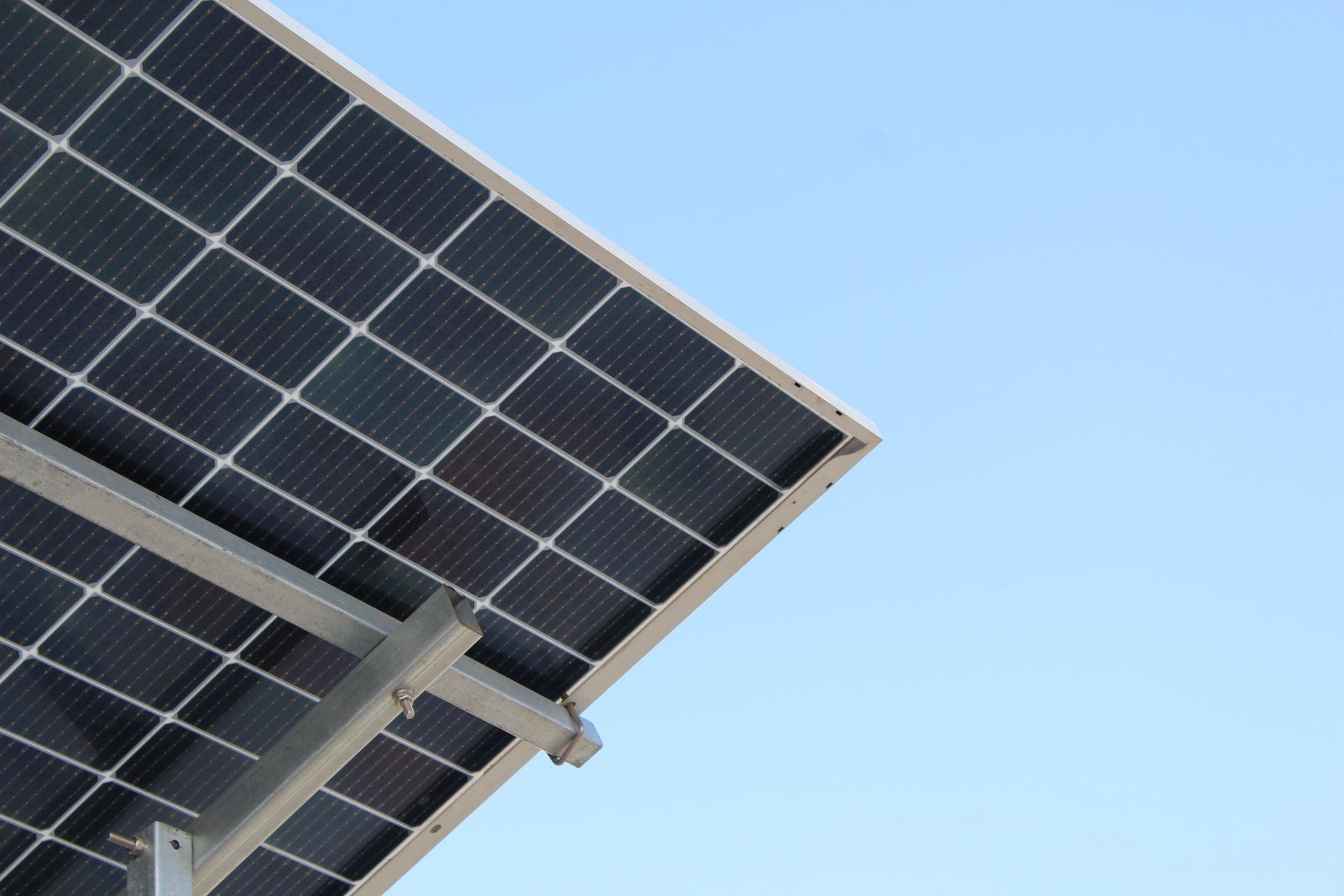
Agrivoltaics allow farmland to produce both food and energy simultaneously.Because steeply tilted east–west solar rows face the low winter sun directly, they continue producing meaningful daytime electricity even during the darkest months. This daytime production reduces Pelham’s reliance on biomass for winter firming, allowing the biomass supply to stretch further into the season.
As Pelham’s rural road forests mature—expanding 30-metre-deep forest ribbons along selected corridors—the annual biomass yield increases. Over time, this creates a self-reinforcing cycle:
- Agrivoltaics supply daytime winter power.
- Biomass covers nighttime winter firming.
- Forested corridors increase the biomass supply each year.
- Biomass reliance decreases as agrivoltaic output grows.
- Energy costs fall for both residents and greenhouses.
Pelham will also require advanced energy-exchange infrastructure—district-scale thermal loops, shared heating/cooling networks, and micro-grid interconnections—as used in successful urban centres for over a century.