Transit Modernization
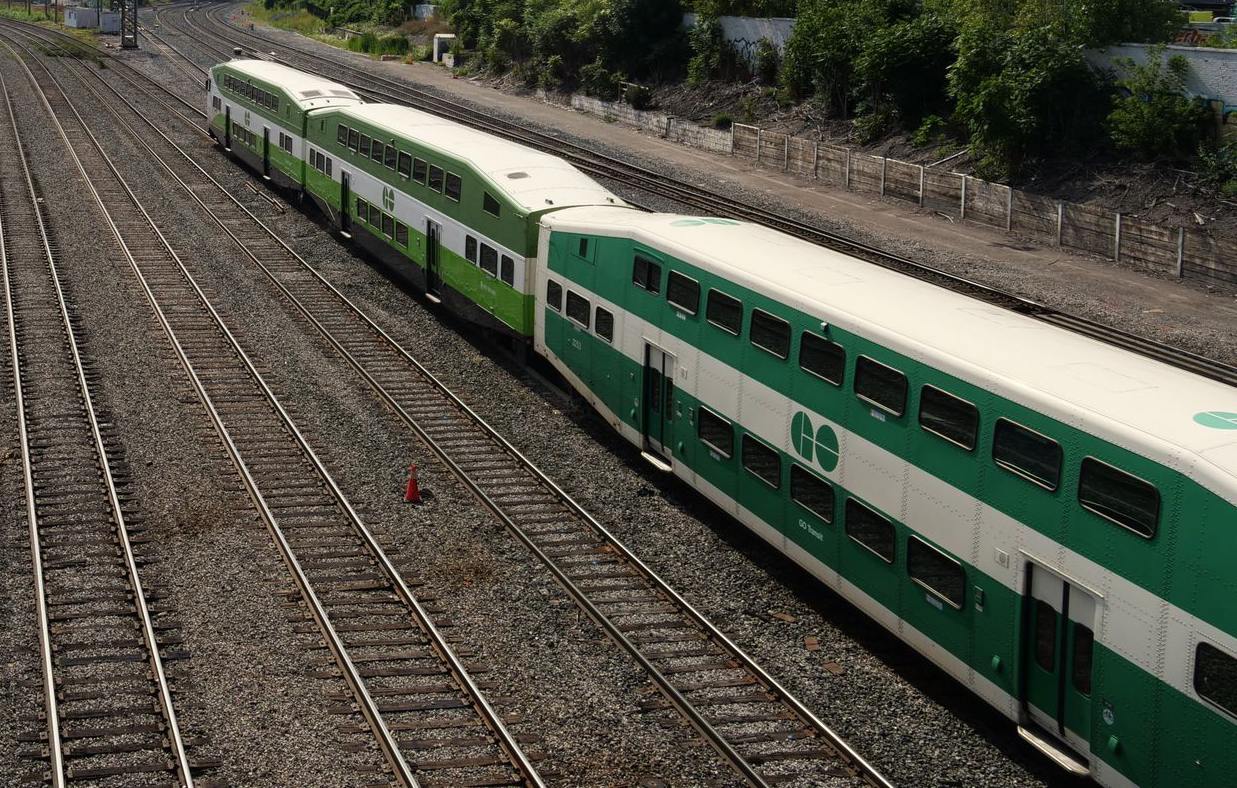
Other than a single GO Train, Niagara has no coherent rail plan despite expectations of roughly 25 million tourist visitors annually.A 200 km/h regional bypass through South Niagara, ideally using excess rail capacity in the Townline/Netherby Tunnel—the only existing Welland Canal crossing with spare capacity—would cut Toronto–Niagara travel times from about 2.5 hours to roughly 65–75 minutes. This instantly boosts ridership economics and avoids over $3 billion in QEW expansions.
This triple-use model (commuters, freight, and tourists, with return-trip synergies) strengthens the economics of the corridor to Niagara Falls. This comparatively shorter payback period enhances the feasibility of the corridor within standard infrastructure-investment frameworks.
A similar case exists for a northern rail connection from the Meridian Community Centre (MCC) to Highway 406 via the abandoned railway right-of-way, continuing down the 406 median to Brock University and connecting to the GO line. Given long infrastructure lead times, early planning is essential to address future congestion and growth.